
Interior modifications to a car can be some of the best (or worst!) because they will affect your driving experience every time you enter the car. From dash to trunk, here are the basic audio components in a car’s sound system.

Aftermarket head units: Assuming you use your radio often, a new one can be a great upgrade. You can update your car with features like android auto, navigation, subwoofer pre-outs, and a touchscreen. This does come at a cost however, a new head unit can cost 200-500 dollars.

Speakers: As the primary sound-generating components of your setup, speakers have big shoes to fill. They create the midsection of the audio spectrum, like instruments. They leave low men’s voices to subwoofers and high women’s voices to the tweeters.
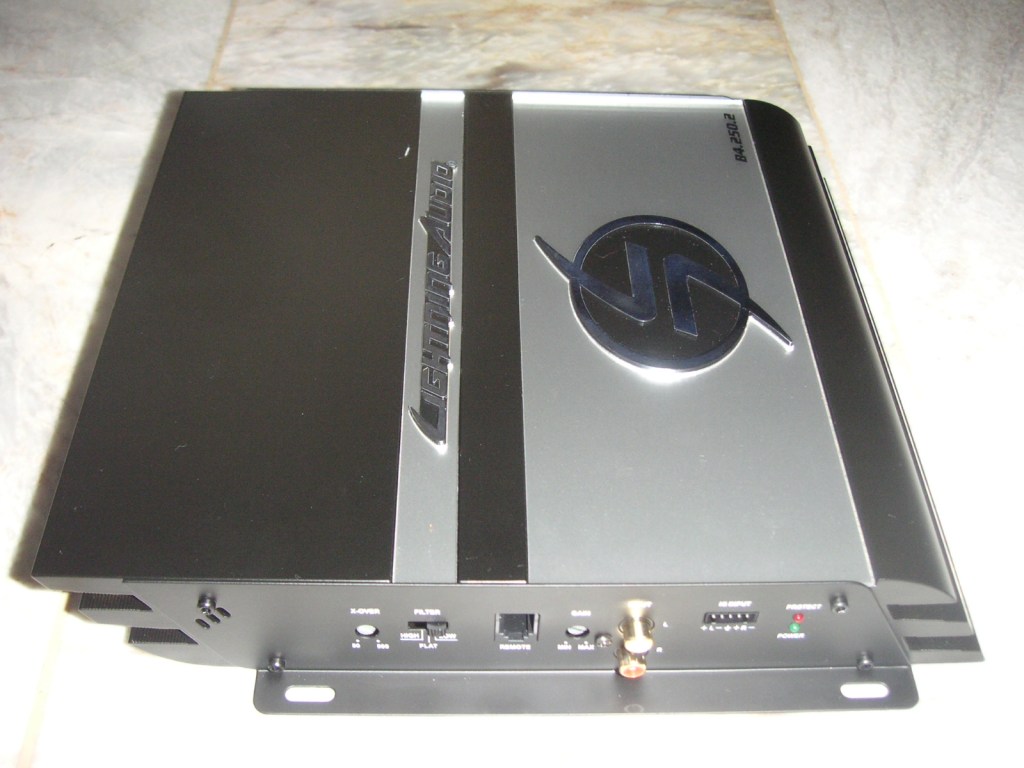
Amplifiers: Amps, although visually boring, are crucial for all big-power car audio setups. They boost the signal and power coming from your head unit and send it along to tweeters, speakers, and subs. They can be mounted most anywhere, unlike bulky subs and direction-sensitive speakers and tweeters. If you desire simply a balanced and not necessarily loud sound, amps can sometimes be forgone if your head unit already has a sub-specific output.
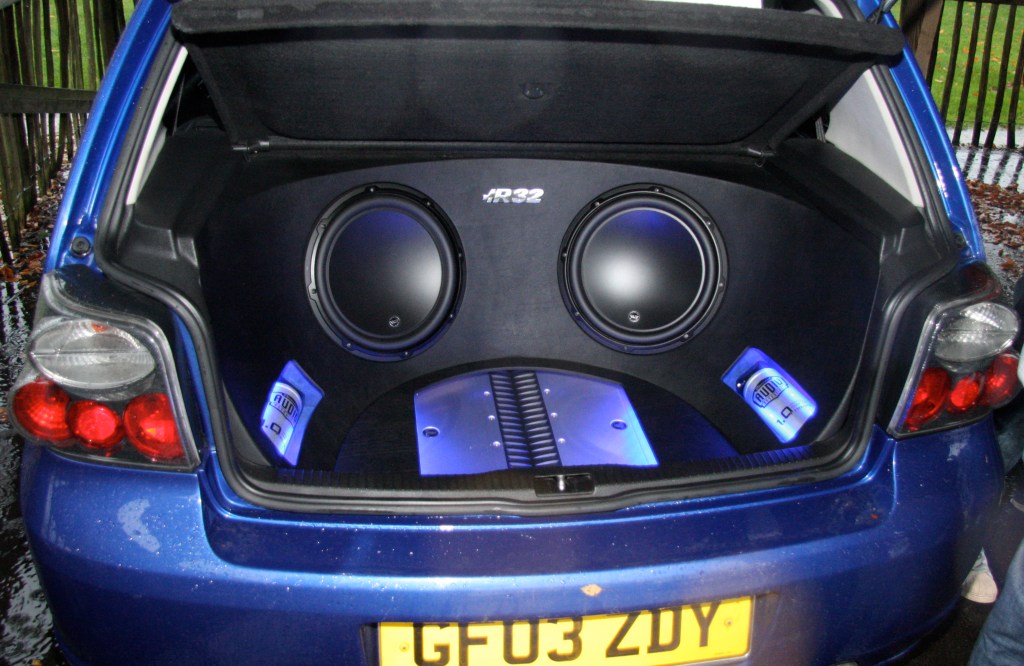
Subwoofers: Subs, especially when balanced with tweeters, can really complete a car’s sound system. While speakers cover the mids effectively (and cheaply!), the top and bottom ends are harder to fill out. Subwoofers generate only low-frequency bass, leaving only the treble, assuming speakers have already been upgraded. Tweeters generate treble, the high end.
 Cars: From Alfa Romeo to Zagato