The condition of your car’s starting system can quickly mess up your day and any issues always seem to hit at the worst time. Here are the components of a typical starting system and how they can go bad.
The Alternator: Usually driven by a belt, the device converts your engine’s mechanical energy into electrical energy to power your car’s starting system and creature comforts. It also happens to be the device pictured in that header up there. One sign of it failing is your headlights flickering while driving long distances, indicating the alternator isn’t charging the battery well while the car is running.
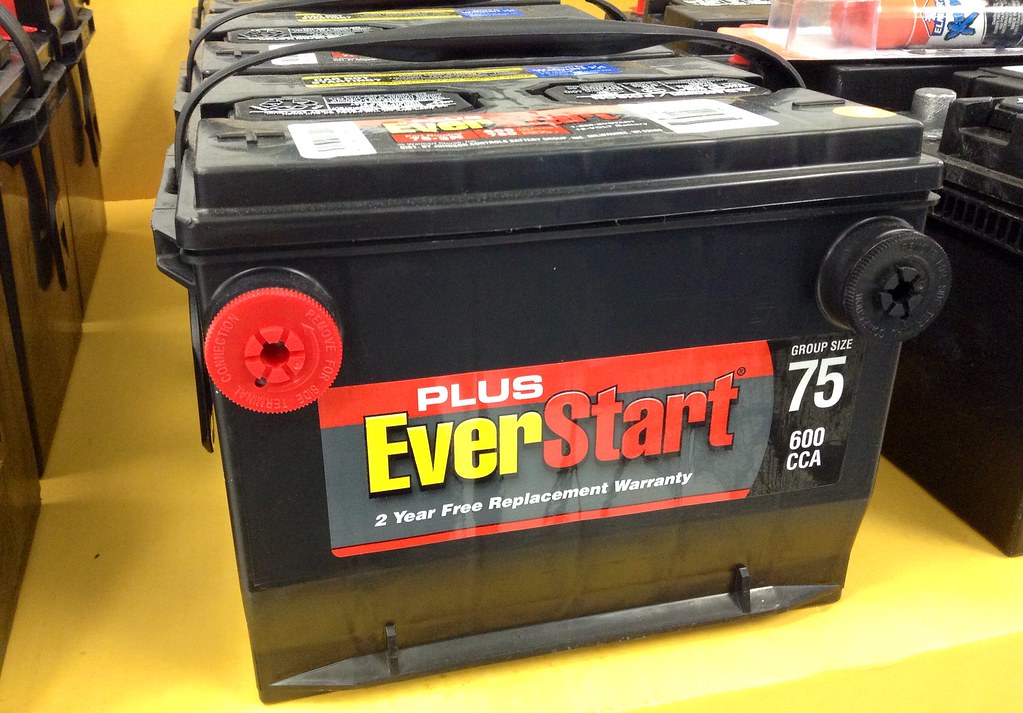
The Battery: This device stores electrical energy when your car is off in order to start it back up again. It also allows features like the radio and lights to be operated without the engine guzzling gas. Is your battery is discharged, worn out, or sulfated, then the main symptom you’ll notice is your car’s new inability to start. When you want to start the car, the power locks may not work and you may hear loud clicking or silence when the car should be cranking over.
The Starter Motor: This lil guy typically meshes with the teeth of your flywheel to crank the vehicle’s engine over. He’s a hard worker, but his job is made a little easier by our friend, gear reduction. You’ll know he’s having a tough time doing his job when he lets our his grinding, soul-crushing noises when you turn the key.
 Cars: From Alfa Romeo to Zagato