It has been good to know ya. I’m sorry to say that from here on out, I will no longer regularly update this blog. It’s been a good run. If anyone out there cares enough, drop a comment or look up Richard Spalding (Homer Mass Media on Twitter) and hate on him.
P. S.: Spalding, please don’t count this as a post unless I’m short one. I don’t think I am…
The condition of your car’s starting system can quickly mess up your day and any issues always seem to hit at the worst time. Here are the components of a typical starting system and how they can go bad.
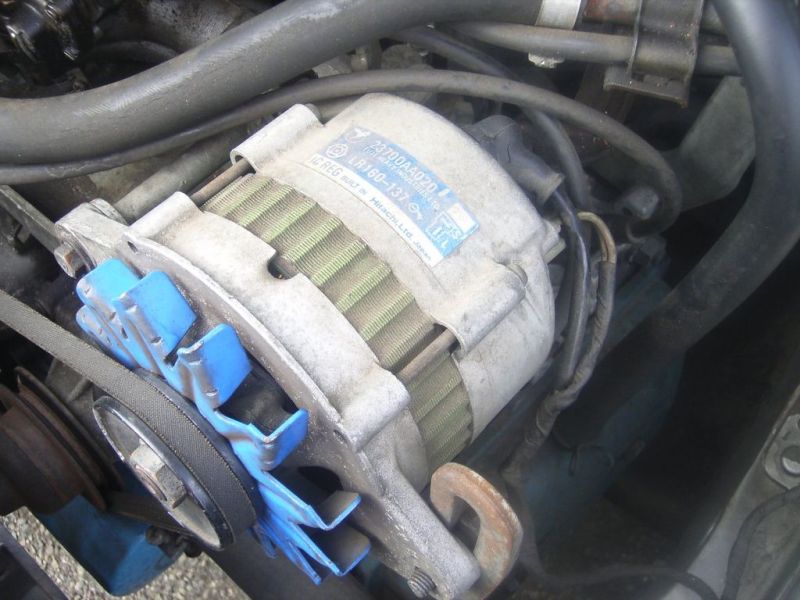
The Alternator: Usually driven by a belt, the device converts your engine’s mechanical energy into electrical energy to power your car’s starting system and creature comforts. It also happens to be the device pictured in that header up there. One sign of it failing is your headlights flickering while driving long distances, indicating the alternator isn’t charging the battery well while the car is running.
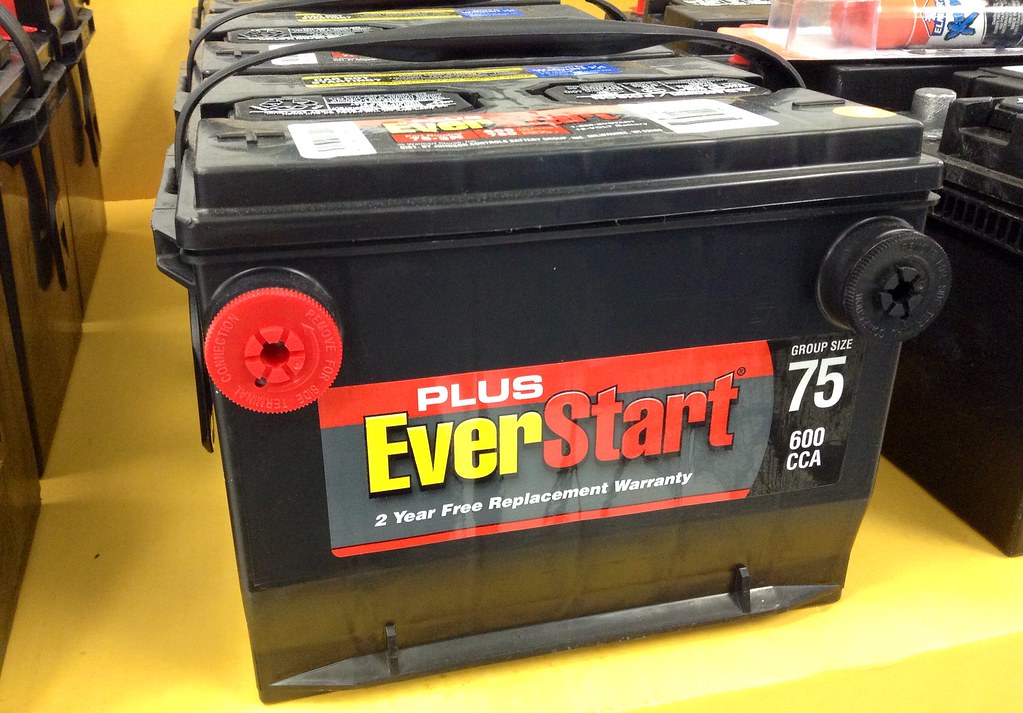
The Exact Model of Battery That Powers My Elco
The Battery: This device stores electrical energy when your car is off in order to start it back up again. It also allows features like the radio and lights to be operated without the engine guzzling gas. Is your battery is discharged, worn out, or sulfated, then the main symptom you’ll notice is your car’s new inability to start. When you want to start the car, the power locks may not work and you may hear loud clicking or silence when the car should be cranking over.
The Starter Motor: This lil guy typically meshes with the teeth of your flywheel to crank the vehicle’s engine over. He’s a hard worker, but his job is made a little easier by our friend, gear reduction. You’ll know he’s having a tough time doing his job when he lets our his grinding, soul-crushing noises when you turn the key.
Gravel and dirt roads aren’t just the subject of many great country songs, they’re an awesome relic of America’s transportation history. Though they may be old, they are still in use today by farmers and regular people alike.
Dirt roads weren’t always called dirt roads. At one time, not too long ago, they were simply roads. America didn’t always have paved roads. Before pavement was brick. Before brick was gravel. Before it all was, you guessed it, dirt. Dirt and gravel roads were the norm for traveling. This is part of the reason old cars have more ground clearance than most modern ones, sometimes even more than the wimpier of the crossovers. Drive down a good one and you can almost feel the history.
According to the Federal Highway Administration, more than 1.3 million miles of unpaved roads wind across this Great Nation of ours. Even though they are still used all the time by farmers, rural postal workers, and regular residents, the government doesn’t maintain them as much as they probably should. Despite not getting fresh gravel on gravel roads, they are still popular. This is because dirt and gravel roads run many places paved roads don’t, like that mythical perfect fishing hole/swimming lake that is in many country songs. They also reach some scenic places that aren’t accessible by paved roads.
Even our paved roads are starting to look like dirt or gravel because of even more rampant lack of maintenance. Why not kick the dust up every once in a while?
Oil is like your engine’s blood. It keeps everything lubricated and gliding smoothly. Eventually, it gets dirty, like that water bottle you always refill at the gym. If the oil isn’t changed often enough, then it does a worse and worse job of lubrication. Here is what you’ll need to change your own oil.
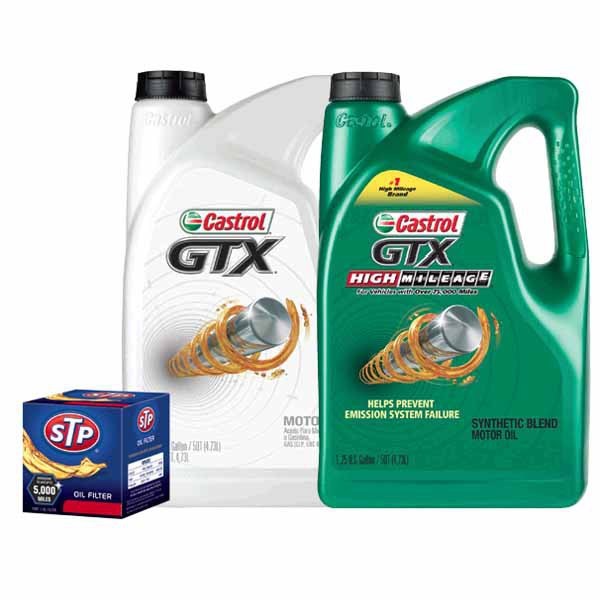
Oil (shown at top in big jugs): You will want new oil that is the correct viscosity for your engine. Additionally, the new oil should fulfill any required certifications that are in you owner’s manual. While you have the manual out, check how many quarts of oil your engine will hold, including a new filter. If you don’t know how much to buy, round up.
Oil Filter(shown at top in little box): You will want a new oil filter. This is a little trickier than buying the oil. If you buy one online, then you can filter by the vehicle and engine. Tools like this can be found at websites such as rockauto.com and autozone.com. If you go to your local parts store they can help you at the parts counter. The employees won’t bite, I promise. Just walk up, greet the worker, and say “I need an oil filter for a (insert your vehicle and engine combo here), please”.
An Oil Filter Wrench: This will help you remove the old oil filter. I recommend goibg iin person to a parts store and asking for one in a similar manner as above.
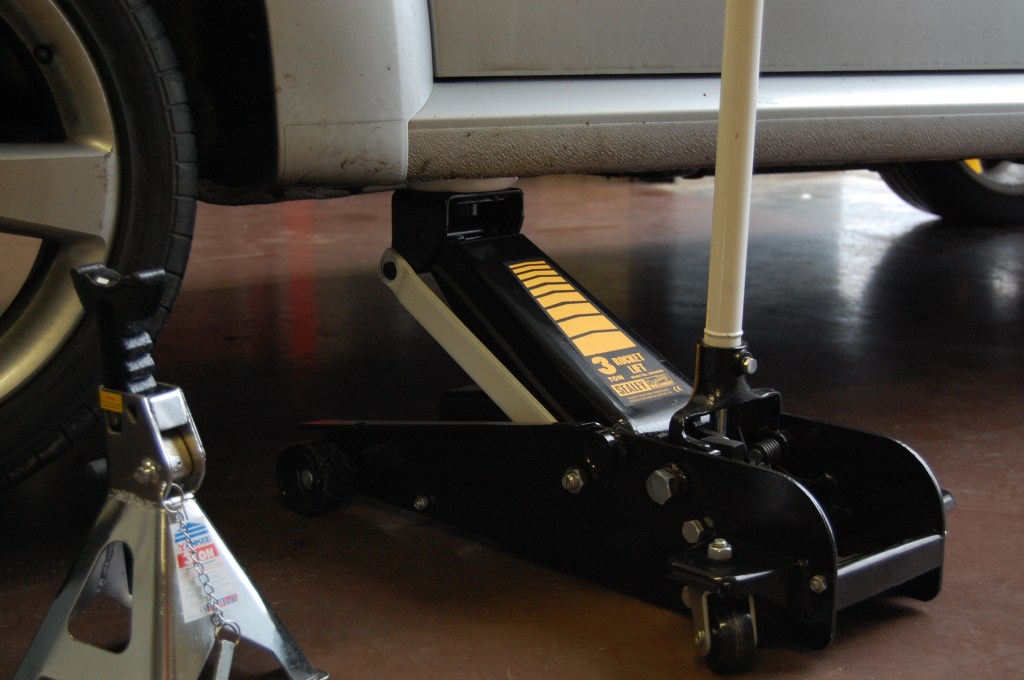
Jack and Jack Stands: Use these to lift and support the car while you work. Ramps are also an option. Like the above, purchase them at a parts store.
Ratchet and Sockets: Assuming all you will be doing is light auto maintenance, just walk into your nearest Harbor Freight Tools and purchase a small set.
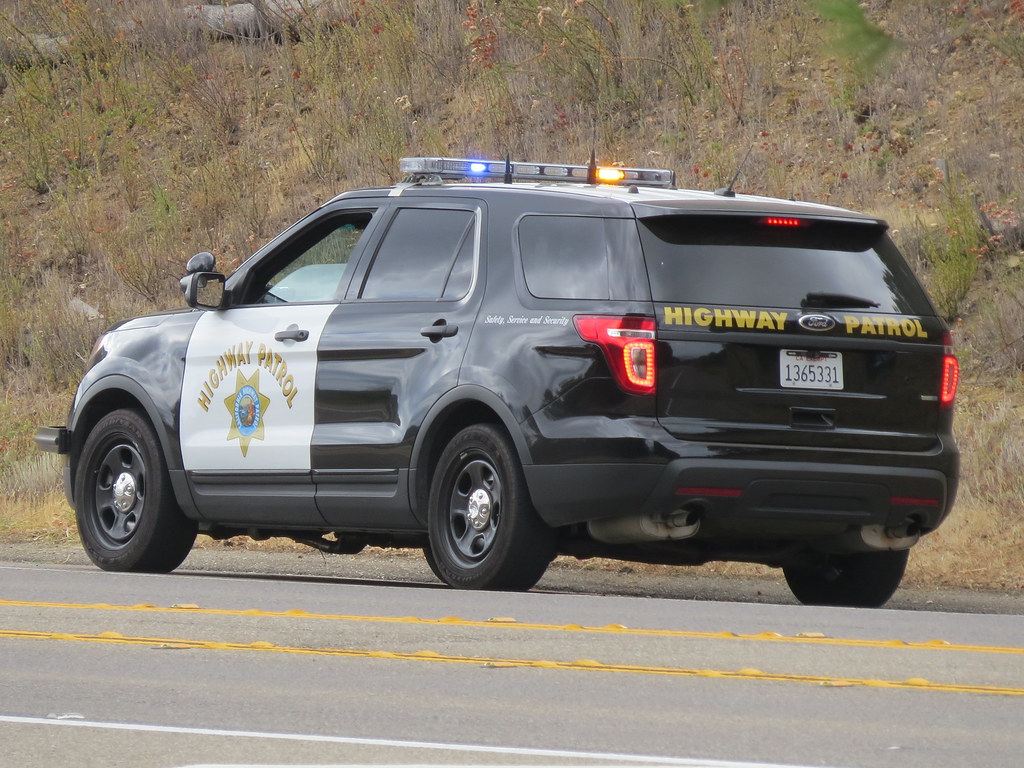
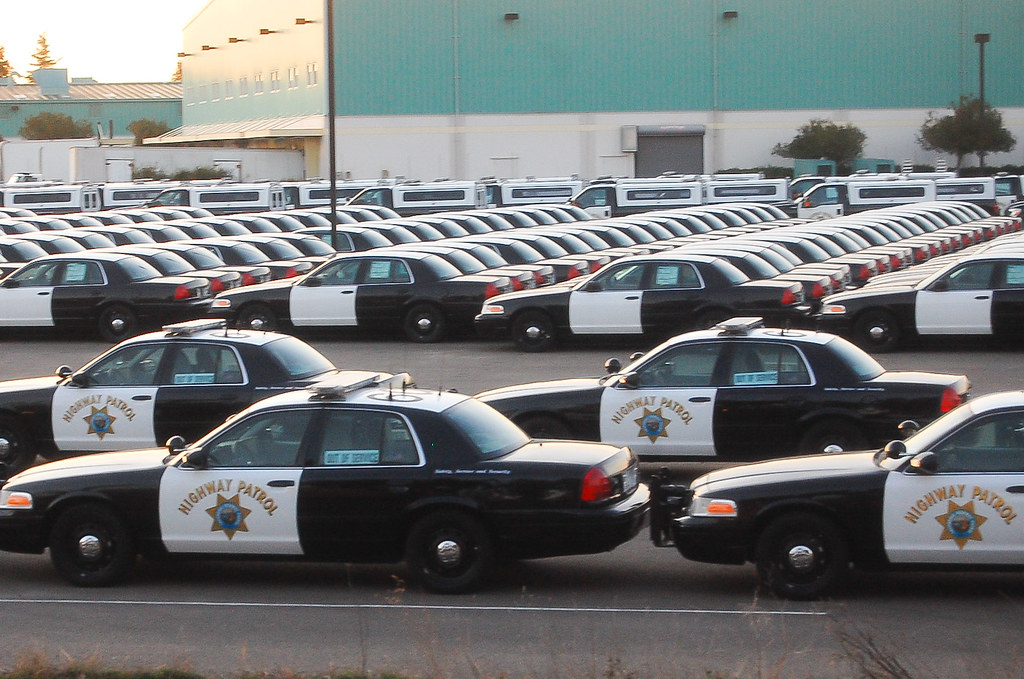
Cops. Abide EVERY LAW and you won’t have an issue with them. Break the speed limit, switch lanes in an intersection, or roll a stop sign and the boys in blue may wish to have a word with you. Here are a few of those cars with bars in the middle. Read to the bottom for a few throwback cruisers.
The Ford Police Interceptor Utility: Essentially a hopped-up Explorer, the PIU is probably the current most common cop car. It is equipped with a 365 hp, 3.7 liter V6 that Ford yanked straight from their legendary crowd-seeking pony car, the Mustang. It is popular because even though it appears to be simply another crossover, it packs a sizeable punch, especially with its AWD. It is also relatively cheap, starting just over $26k. That money buys not only the car, but a 100k-mile warranty that will last quite a while. A bang-for-the-buck ratio that many departments simply can’t turn down.
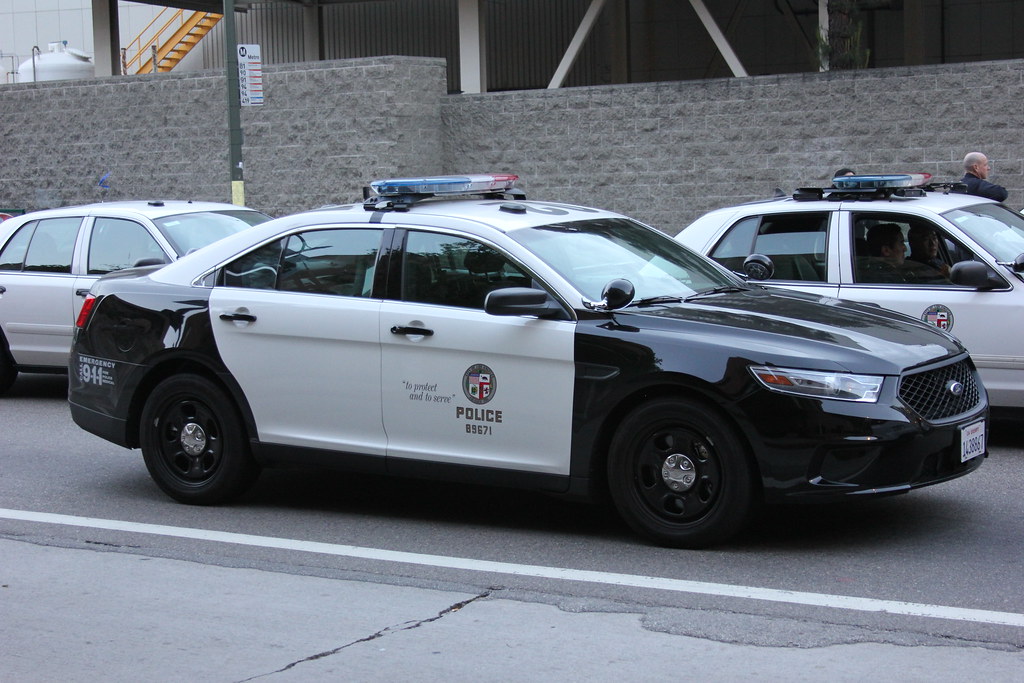
The Ford Police Interceptor Sedan: The only vehicle on this list not used by the California Highway Patrol, this decent unit boasts the same transplanted drivetrain as the PIU, the PIS can rip even harder than its big brother because of its lighter weight and optional RWD setup. With that performance gain comes a loss in cargo space and, therefore, utility (sorry). Evidently, cops value that space dearly, as the sedan doesn’t sell nearly as well as the PIU.
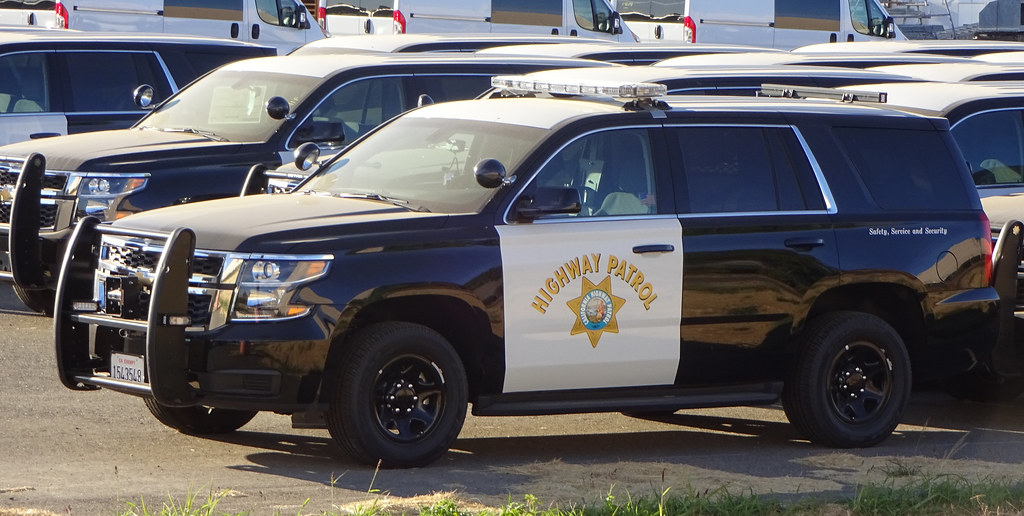
The Chevrolet Tahoe Police Pursuit Vehicle: The first vehicle on my list without that ugly Blue Oval, the Tahoe PPV can be optioned with the 9C1 package, which boasts GM’s legendary 5.3 liter, 355 hp LS engine. It is more rugged than the PIU and PIS because like the Vic, it is based on the Silverado 1500’s solid frame platform. Because of that truck chassis, it can also have true 4×4, unlike the PIS and PIU. It has even more of that valuable cargo space too. Also, you know I’m for it because of that sweet gold bowtie that it has centered in that big ol grille.
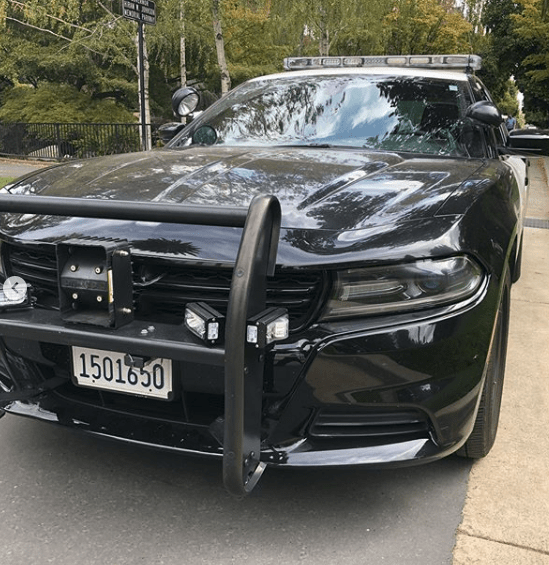
The 2020 Dodge Charger Pursuit: Even though its no Hellcat, the police charger can be had with a 3.6 liter, 292 horse V6 and AWD. Just about its only bragging right outside of looks second (on this list) only to the Tahoe PPV, it isn’t a Ford.
Our Throwback, The Ford Crown Victoria: The Vic was the king of the cruisers for at least a decade, and maybe more, depending on who you ask. The Vic made its debut in 1992, remaining popular until the late 2000’s. They sport a 4.6 liter V8 cranking out up to 235 horses. Although most have been phased out by now, they can still be spotted in some jurisdictions.
PAINT: It’ll make or break your ride. It’s a pain to apply, a pain to fix, and a pain to remove. Here’s a guide to common types of automotive paint. The options that are typically easiest and cheapest are listed first.
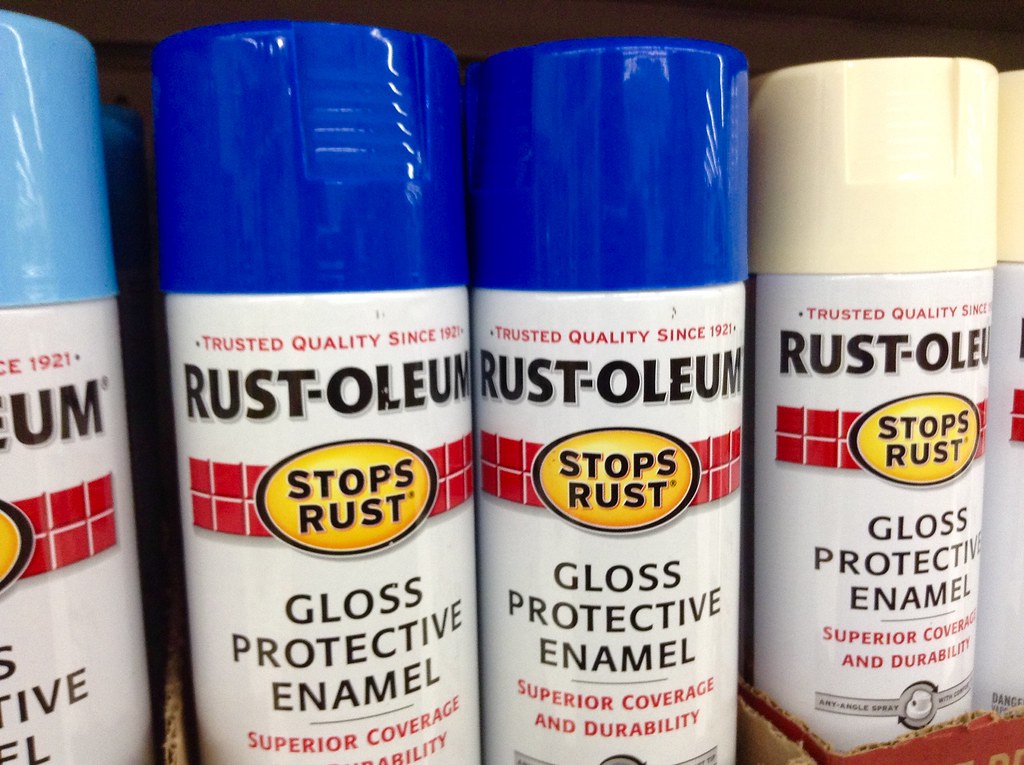
Aerosol can type: Similar to the standard paint (detailed below), but this comes in an aerosol so you don’t have to mix it and no other specialized equipment is necessary. Although the above paint isn’t car-specific, many parts stores can mix touch-up paint to match your car perfectly.
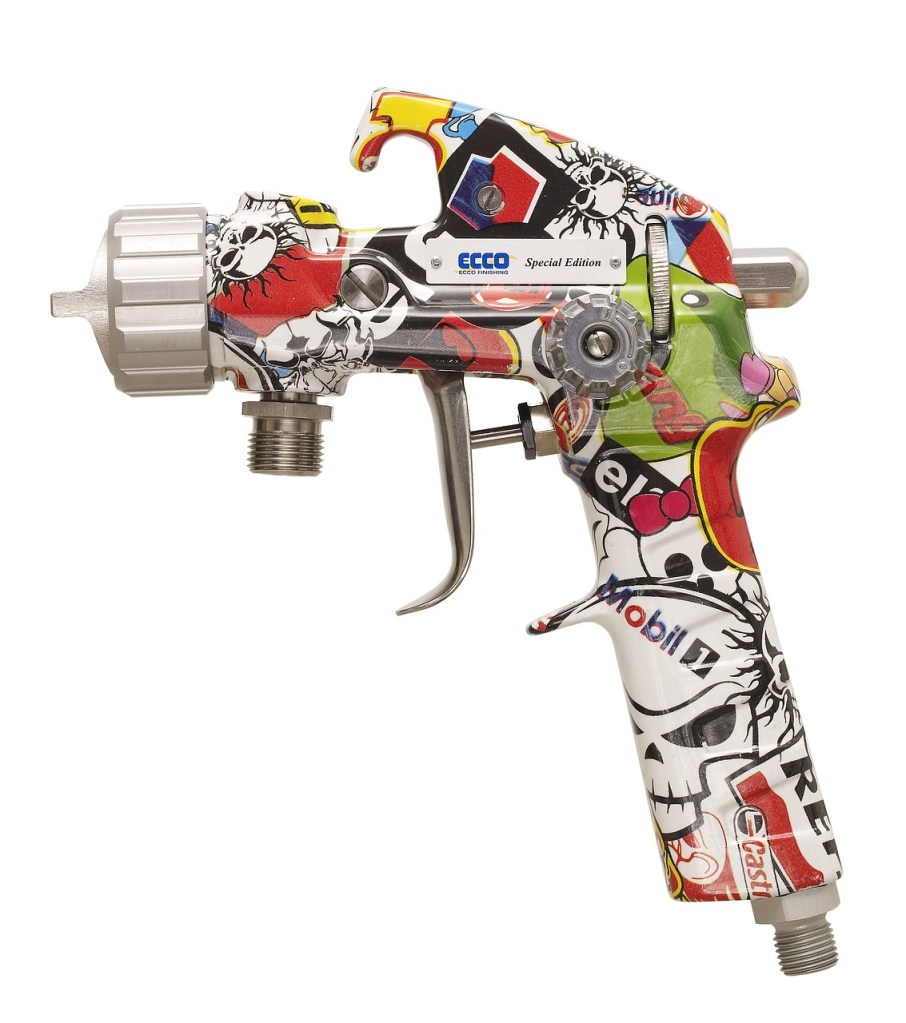
Standard paint: this comes in a can similar to house paint, but must be mixed prior to being loaded into the gun, such as the one shown above. Beyond paint, your car’s primer (underneath the paint) and clear coat (over the paint) are distributed through a similar gun.
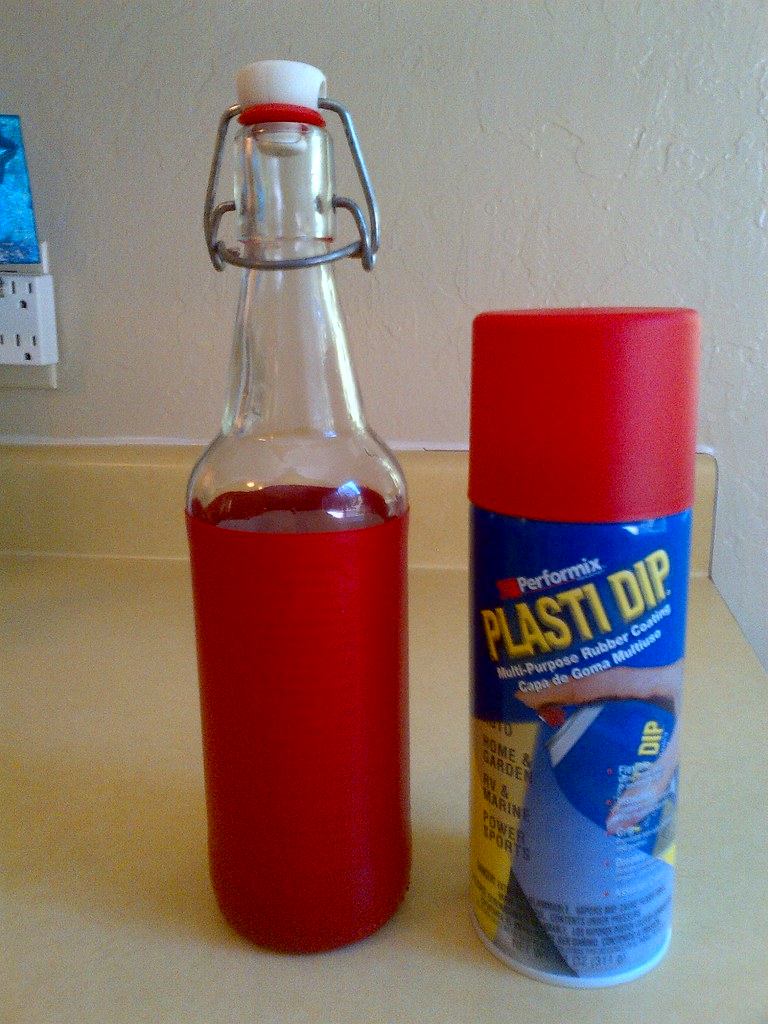
Plasti-Dip- This creates a thin plastic coating after it has dried, and can sometimes be temporary so that you can peel it off after a month or two. It can come in an aerosol can like above or out of a regular gun if you will be using a lot of it.
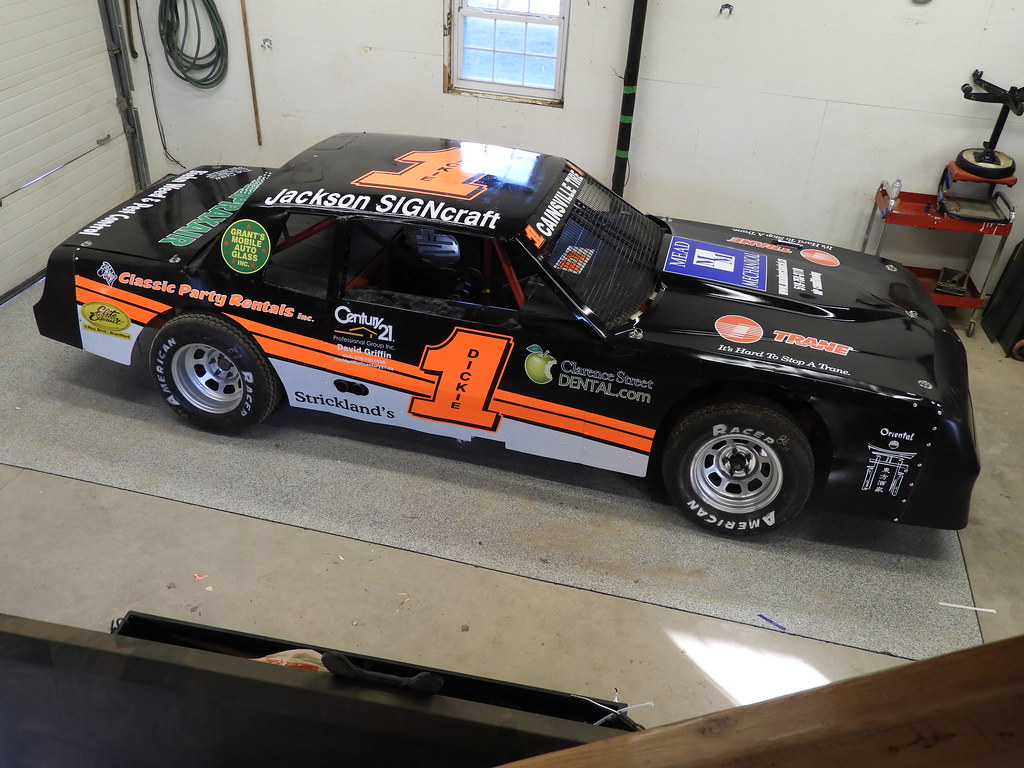
Vinyl Wrap: Here, a screen printer will print colors, patterns, text, or images onto a sheet of adhesive-backed vinyl, which will usually be installed at a shop near you. This is only temporary; if you leave it on too long, the wrap will crack and become nearly impossible to remove.
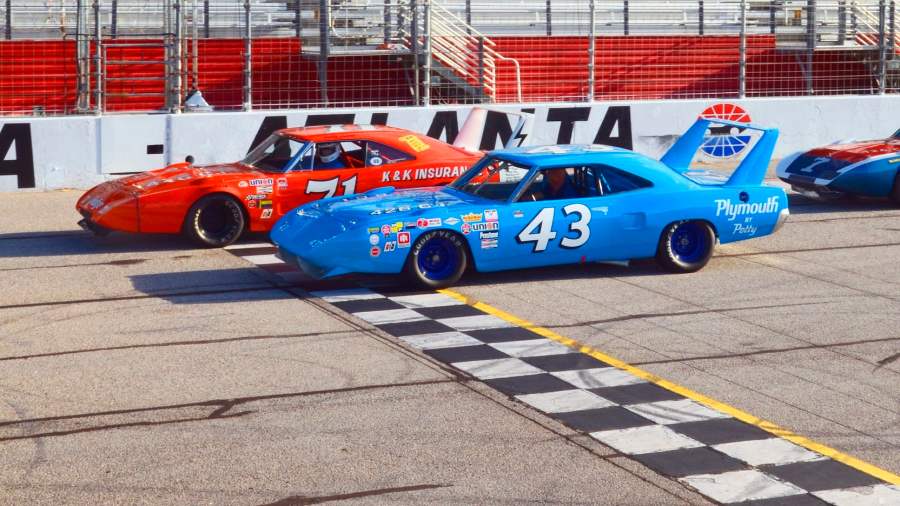
Although Richard Petty drove cars made by almost every manufacturer in NASCAR, he usually drove Chrysler automobiles. He also drove both Fords and Chevys at certain points in time. The King preferred Plymouths, but drove many MOPAR products. In the late 60s, he left Chrysler for Ford, driving a Torino Talladega. Being NASCAR’s dominant driver of the era, Chrysler needed Petty Enterprises to be building MOPAR vehicles. To win King Richard back, Chrysler needed a fast car.
Speedier than that.
They would find this car in the Dodge Charger Daytona in 1969. A standard charger outfitted with an aerodynamic nose cone and a huge, downforce-producing wing would prove lethal to the competition on the track. The Daytona dominated the NASCAR season, and they debuted the Plymouth version, the Superbird, the next year. The King jumped at the chance to drive a Superbird for the 1970 season, and racked up 18 wins, almost half of that year’s races.
Although they dominated on the track, they did not fare so well in showrooms. NASCAR required road cars to be manufactured for any vehicle that competed in the Grand National series. They sat on showroom floors because of that face only a mother could love. Although they were worth next to nothing then, they go for a pretty penny now because of their rarity; they kicked so much butt that NASCAR banned them after 1970.
Tires are the only thing between your car and the pavement, but many people still pick the wrong ones for their car or driving style. Others don’t replace them until it’s too late. Buy the right ones the first time. Here’s how.
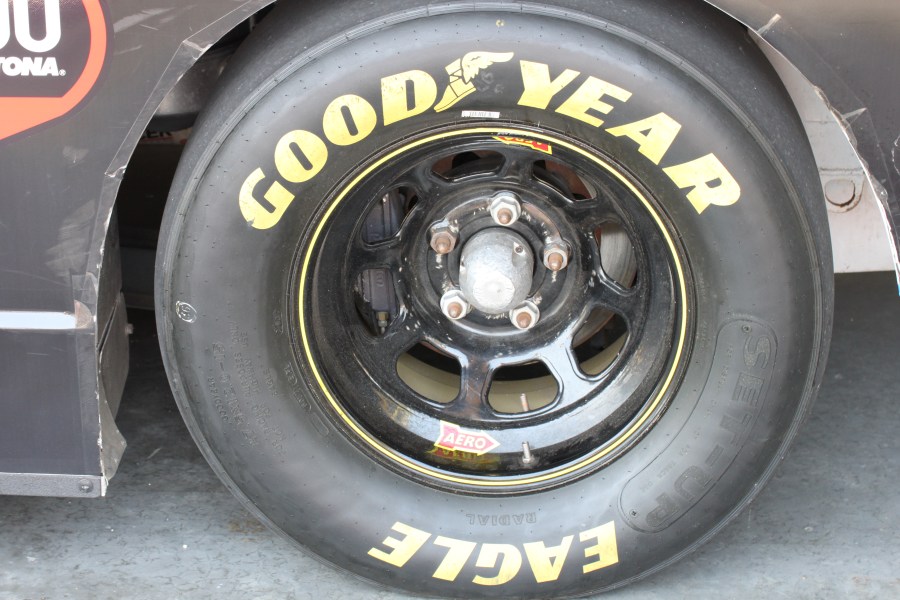
Sizing: Here’s what those markings mean. Take the size P205/75-R14, for example. The P signifies a passenger-rated tire, unlike LT (Light Truck) and and T (Trailer). The 205 indicates the tire is 205 millimeters wide at the rim’s lip. The 75 tells us the the tire’s height is 75% of its width. 205x.75=153.75. So, we know the sidewall is about 154 mm tall on each size. The 14 is the total diameter of the rim. It is okay to deviate by a size or two in the width and aspect ratio, but your rim diameter MUST be correct.
All-Season- These are the most common on newer cars. It is a jack-of-all-trades. They are designed to perform decent in any conditions but not great. In summer, they are a little heavy on road noise. In winter, their traction is lackluster.
All-Terrain- These can be found on trucks and large SUVs. They are similar to all-seasons, but they have a slight emphasis on off-road performance.
Touring- These come stock on many luxury cars and sports cars. They have vastly better summer traction and road noise, but sacrifice some winter traction. Summer-only performance tires take this concept a step further. Their performance during summer is near perfect, but they shouldn’t be used in the winter under any but the most dire of circumstances.
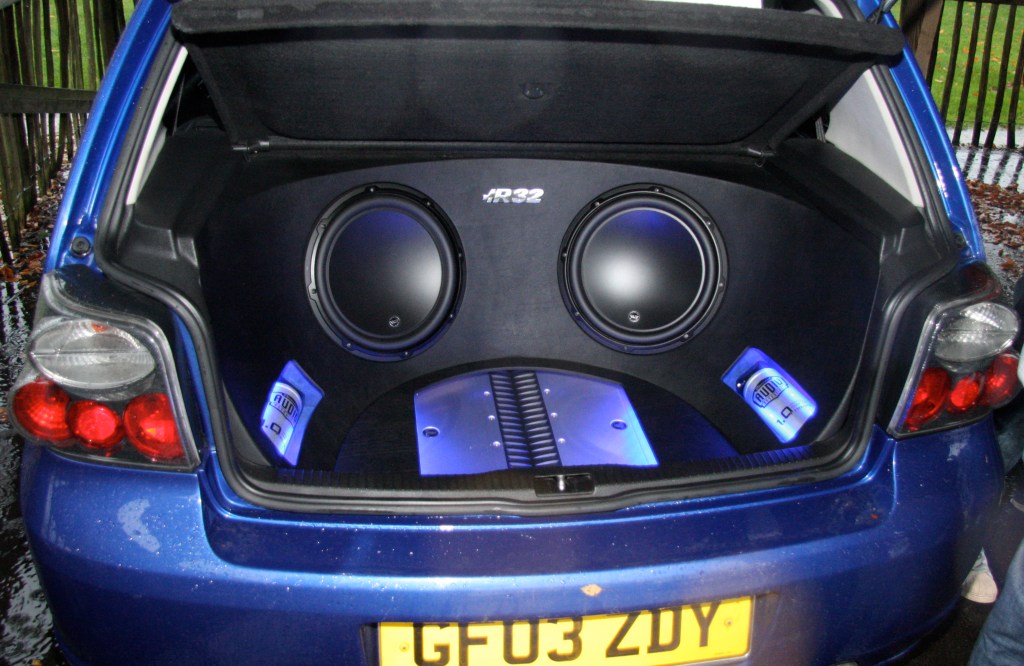
Interior modifications to a car can be some of the best (or worst!) because they will affect your driving experience every time you enter the car. From dash to trunk, here are the basic audio components in a car’s sound system.
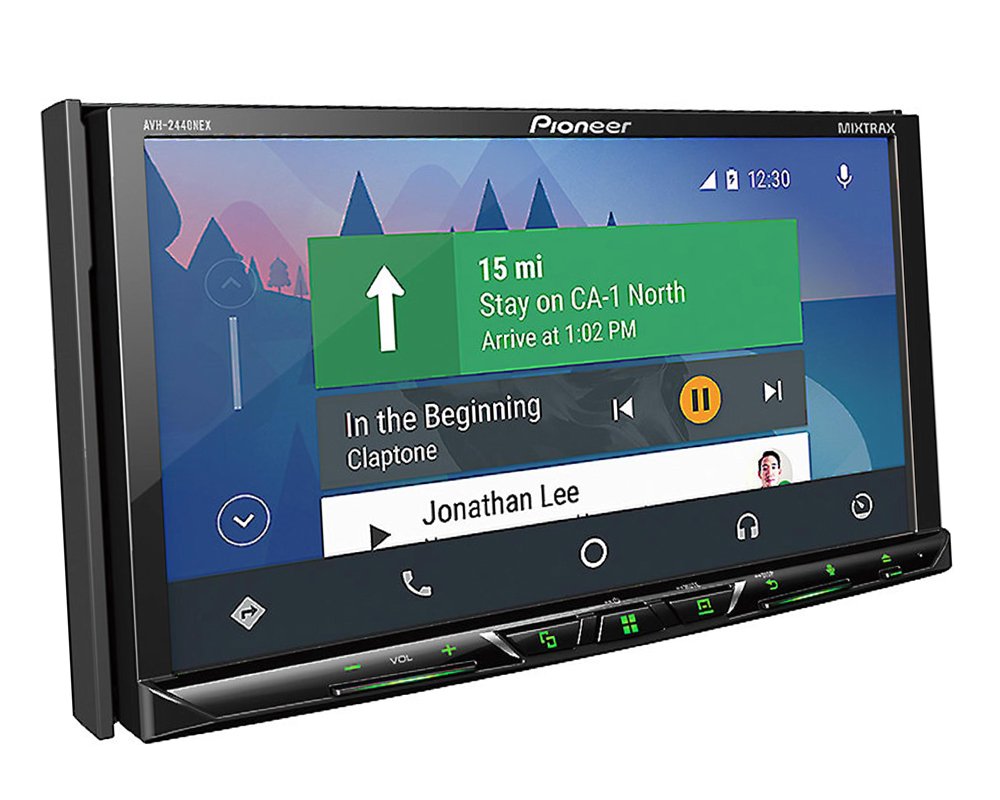
Aftermarket head units: Assuming you use your radio often, a new one can be a great upgrade. You can update your car with features like android auto, navigation, subwoofer pre-outs, and a touchscreen. This does come at a cost however, a new head unit can cost 200-500 dollars.
Speakers: As the primary sound-generating components of your setup, speakers have big shoes to fill. They create the midsection of the audio spectrum, like instruments. They leave low men’s voices to subwoofers and high women’s voices to the tweeters.
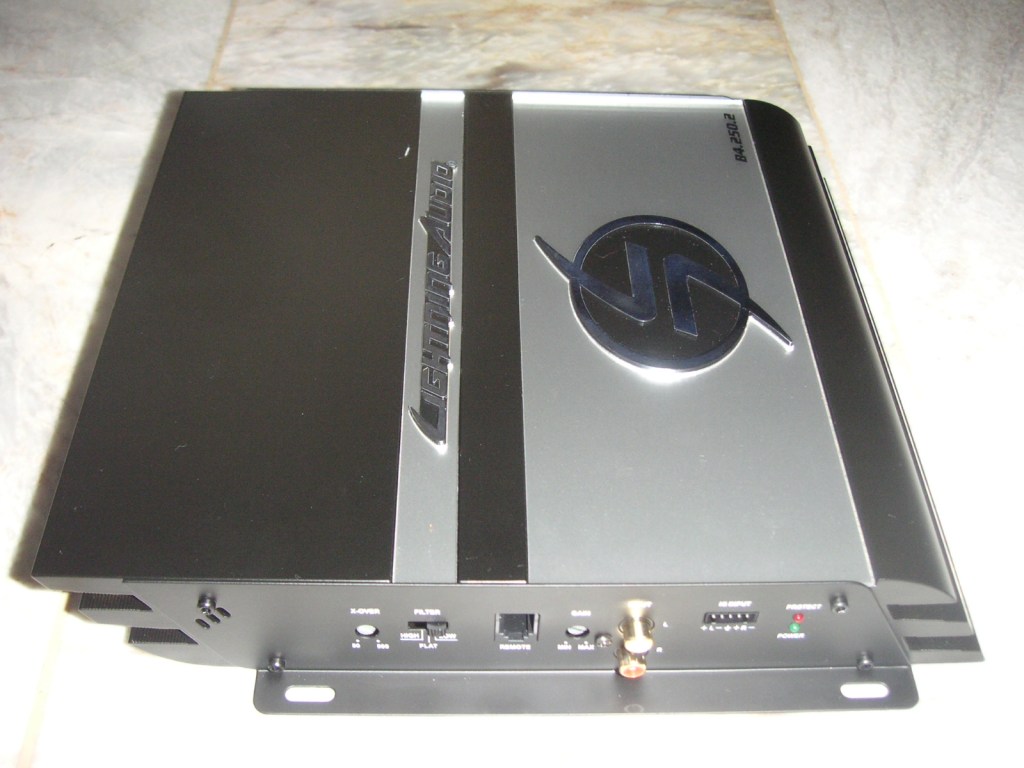
Amplifiers: Amps, although visually boring, are crucial for all big-power car audio setups. They boost the signal and power coming from your head unit and send it along to tweeters, speakers, and subs. They can be mounted most anywhere, unlike bulky subs and direction-sensitive speakers and tweeters. If you desire simply a balanced and not necessarily loud sound, amps can sometimes be forgone if your head unit already has a sub-specific output.
Subwoofers: Subs, especially when balanced with tweeters, can really complete a car’s sound system. While speakers cover the mids effectively (and cheaply!), the top and bottom ends are harder to fill out. Subwoofers generate only low-frequency bass, leaving only the treble, assuming speakers have already been upgraded. Tweeters generate treble, the high end.
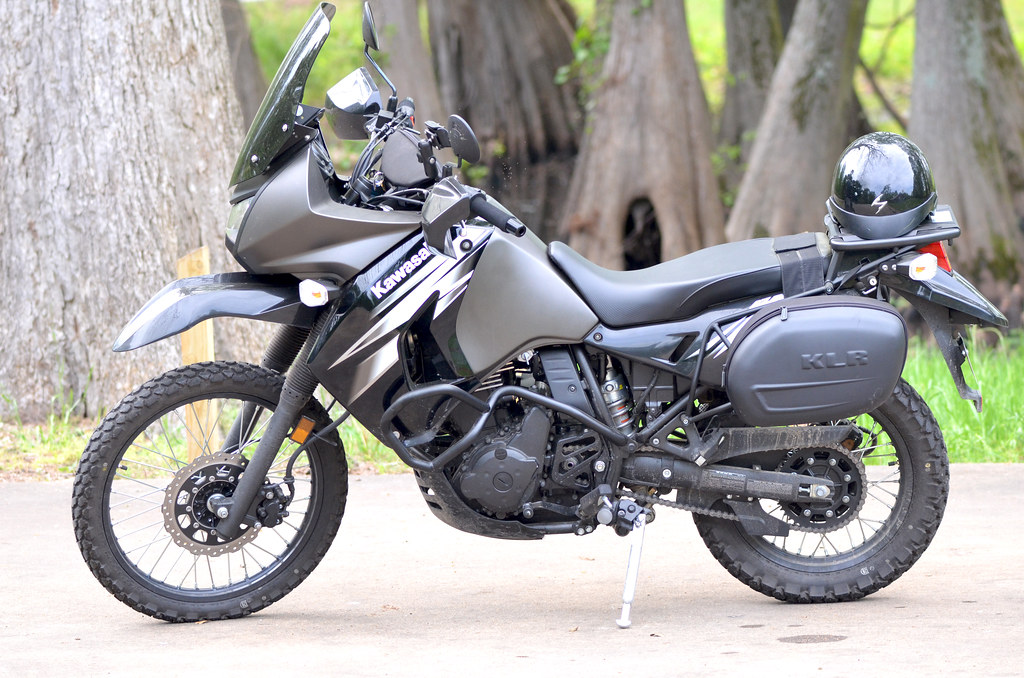
A later-model KLR fitted with an aftermarket skid plate, aftermarket bash bars, and a couple of other mods.
In 1987, Kawasaki debuted the KLR 650, an incredibly versatile motorcycle. It competes in a segment of bikes known as dual-sports or adventure bikes, depending on who you ask. These motorcycles have off-road capability that rivals a dirtbike, with good street performance as well. Adventure Bikes are typically expensive because of their versatility. The KLR, on the other hand, can be had for just over $6K new, and a couple of CNY motorcycle dealers still had them in stock when this article was written.
It featured a carburated single-cylinder 650cc four-stroke “thumper” engine which proved, throughout its incredibly long production life, that it was nearly invincible. It put out a whopping 42 horses and 34 ft-lbs of torque, which is very torquey for a motorcycle. The engine did have 1 flaw that enthusiasts refer to as the “doohickey”. This small driveline part, more formally known as an idler shaft lever, is rarely durable. It is easy and cheap to replace. The rest of the bike is as ironclad as the rest of the engine and even if a part does break, replacements are easy to find due to its span from 1987 to 2008 with almost no changes. Most things remained the same even after the 2008 refresh until its discontinuation in 2018. It will be dearly missed by many riders who see its value and how it has impacted most, if not all, current adventure motorcycles. Rest in peace, Kawasaki KLR 650.





 Cars: From Alfa Romeo to Zagato