Car Not Cranking? Here’s What You Should Know About Automotive Charging and Starting Systems

The condition of your car’s starting system can quickly mess up your day and any issues always seem to hit at the worst time. Here are the components of a typical starting system and how they can go bad.

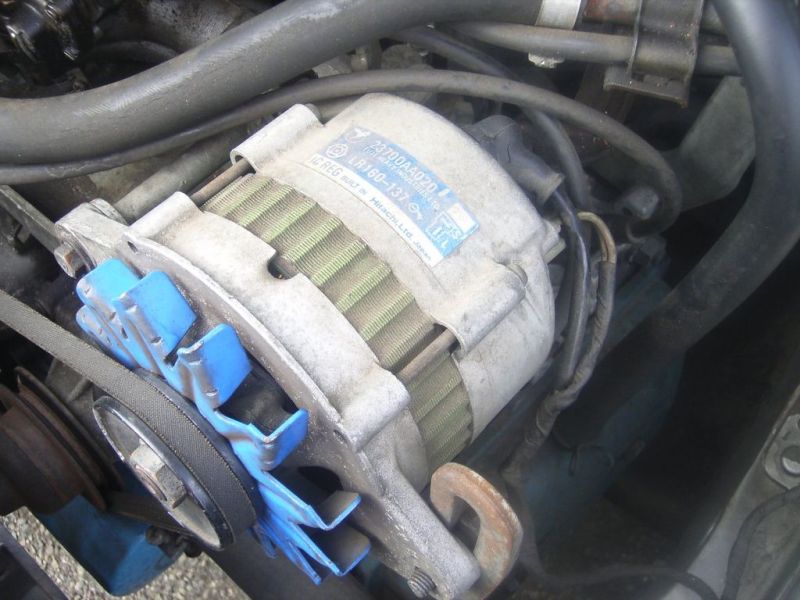
The Alternator: Usually driven by a belt, the device converts your engine’s mechanical energy into electrical energy to power your car’s starting system and creature comforts. It also happens to be the device pictured in that header up there. One sign of it failing is your headlights flickering while driving long distances, indicating the alternator isn’t charging the battery well while the car is running.
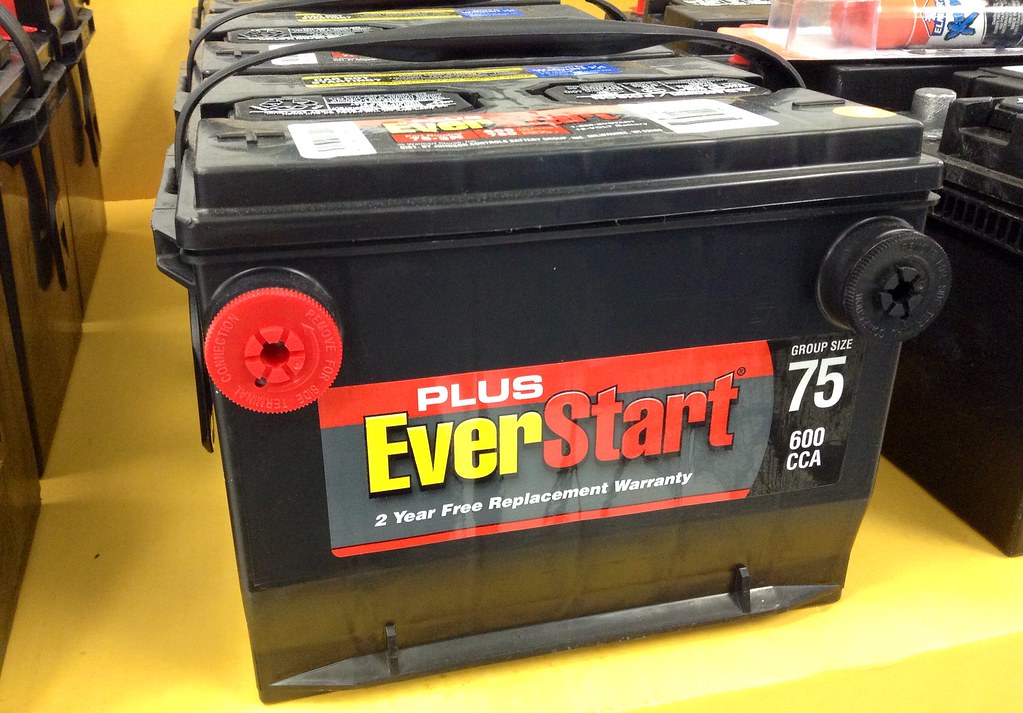
The Exact Model of Battery That Powers My Elco

The Battery: This device stores electrical energy when your car is off in order to start it back up again. It also allows features like the radio and lights to be operated without the engine guzzling gas. Is your battery is discharged, worn out, or sulfated, then the main symptom you’ll notice is your car’s new inability to start. When you want to start the car, the power locks may not work and you may hear loud clicking or silence when the car should be cranking over.

The Starter Motor: This lil guy typically meshes with the teeth of your flywheel to crank the vehicle’s engine over. He’s a hard worker, but his job is made a little easier by our friend, gear reduction. You’ll know he’s having a tough time doing his job when he lets our his grinding, soul-crushing noises when you turn the key.

Audio Mods of All Kinds

A Factory Touchscreen Head Unit

Interior modifications to a car can be some of the best (or worst!) because they will affect your driving experience every time you enter the car. From dash to trunk, here are the basic audio components in a car’s sound system.

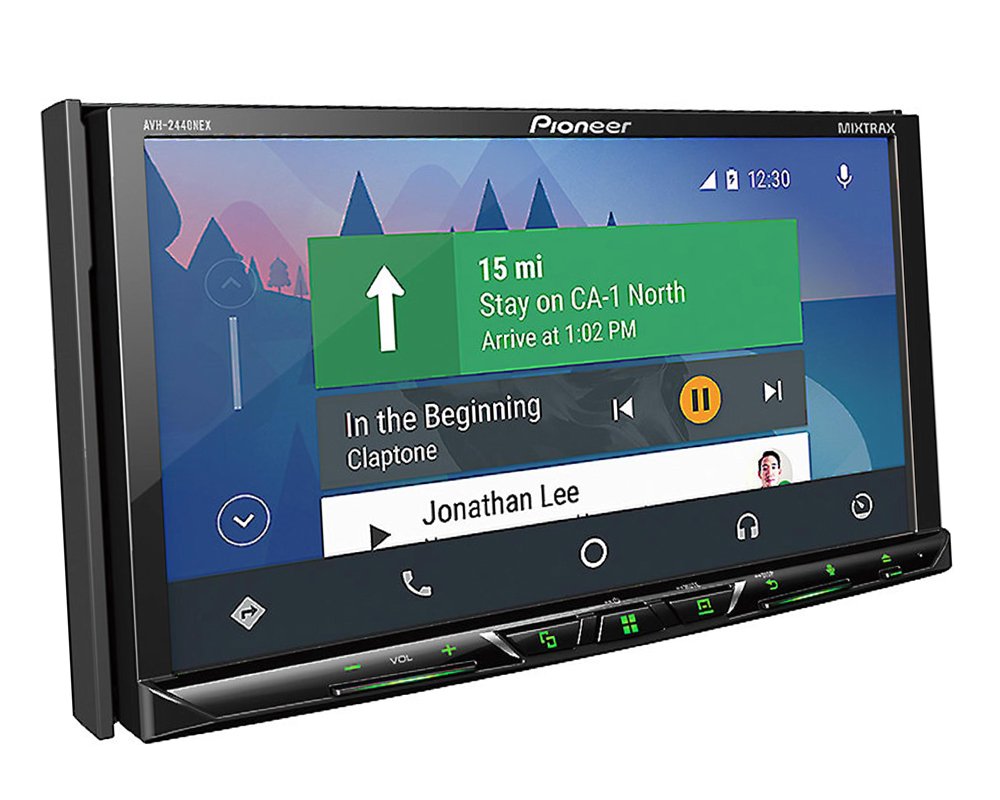
Aftermarket head units: Assuming you use your radio often, a new one can be a great upgrade. You can update your car with features like android auto, navigation, subwoofer pre-outs, and a touchscreen. This does come at a cost however, a new head unit can cost 200-500 dollars.

Speakers: As the primary sound-generating components of your setup, speakers have big shoes to fill. They create the midsection of the audio spectrum, like instruments. They leave low men’s voices to subwoofers and high women’s voices to the tweeters.

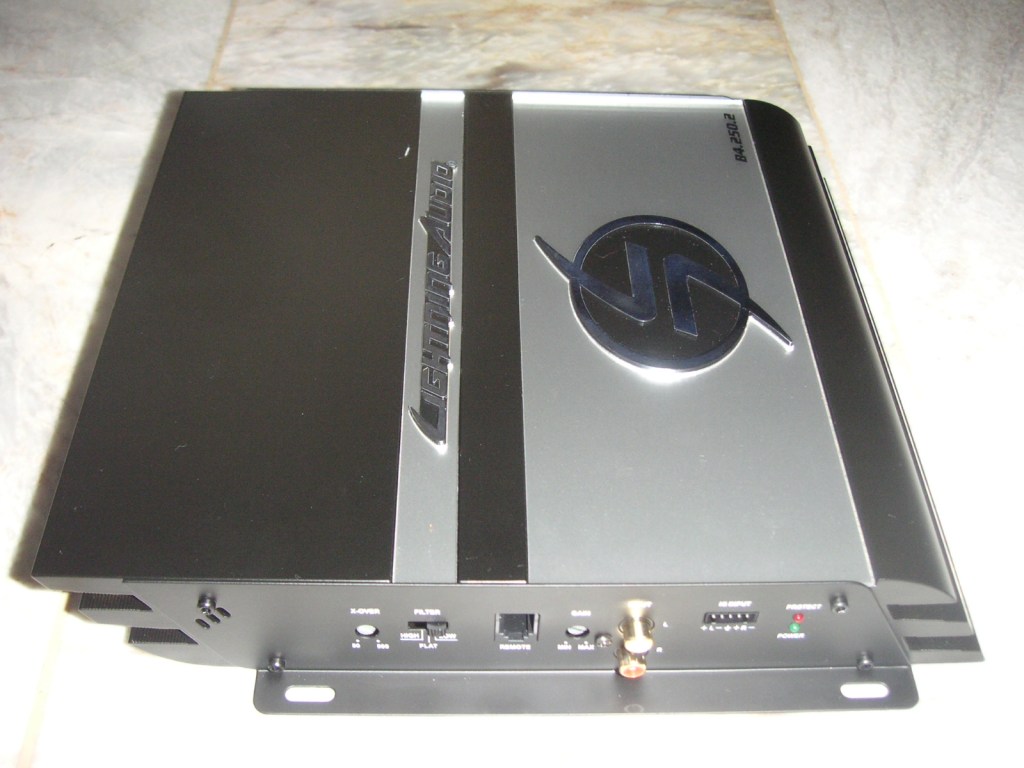
Amplifiers: Amps, although visually boring, are crucial for all big-power car audio setups. They boost the signal and power coming from your head unit and send it along to tweeters, speakers, and subs. They can be mounted most anywhere, unlike bulky subs and direction-sensitive speakers and tweeters. If you desire simply a balanced and not necessarily loud sound, amps can sometimes be forgone if your head unit already has a sub-specific output.

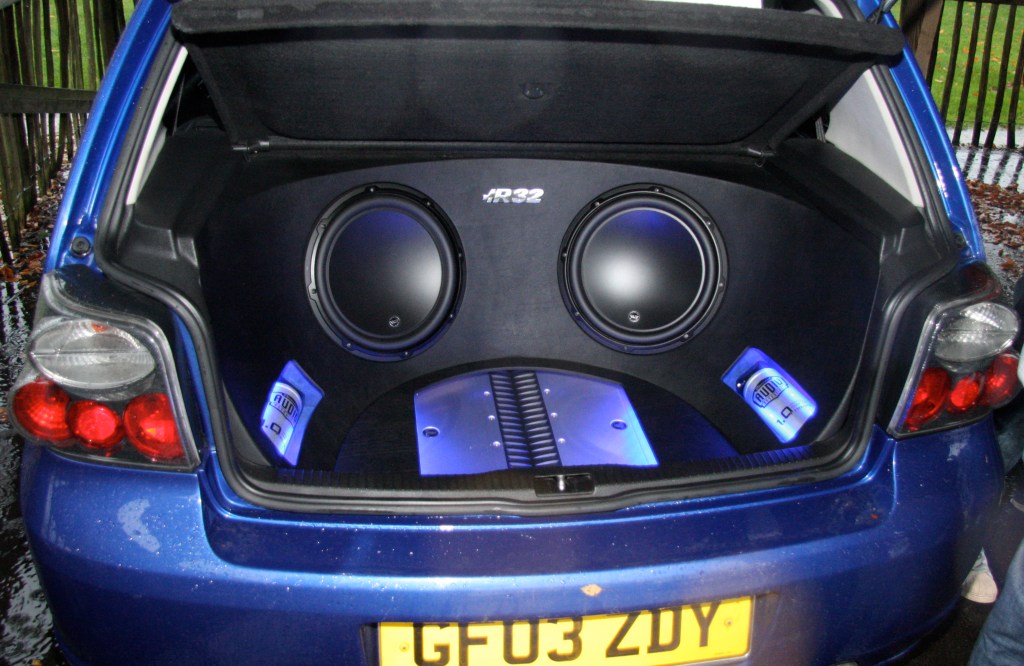
Subwoofers: Subs, especially when balanced with tweeters, can really complete a car’s sound system. While speakers cover the mids effectively (and cheaply!), the top and bottom ends are harder to fill out. Subwoofers generate only low-frequency bass, leaving only the treble, assuming speakers have already been upgraded. Tweeters generate treble, the high end.

About The Author and Why This Car Blog Exists

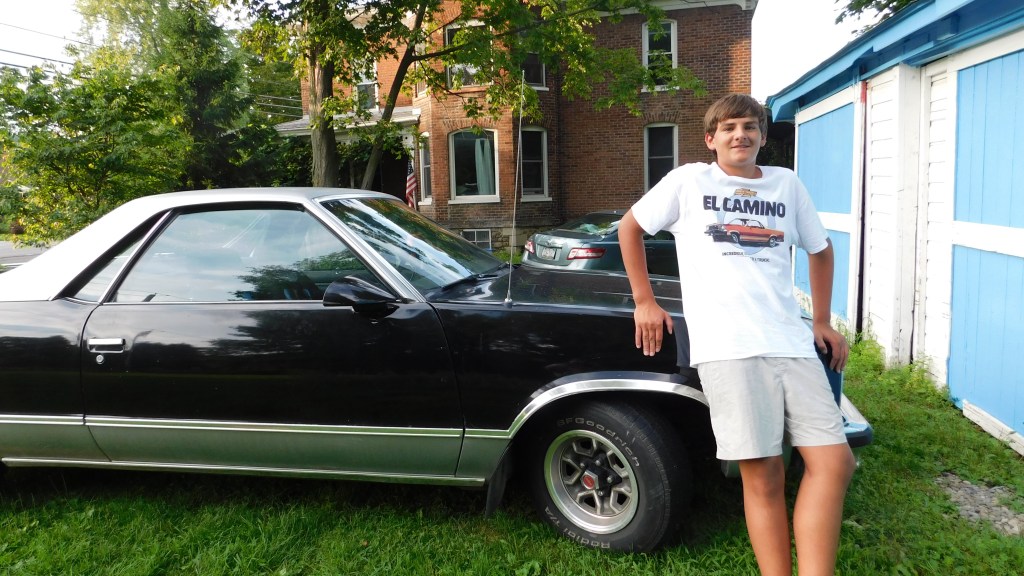
Hi! My name is Vincent Swinnich and I’m a life-long car enthusiast. Above is a photo from a year or two ago of me with my 1987 Chevrolet El Camino. I am a senior in high school and I attend our local BOCES for automotive technology. I am a member of both National Honor Society and National Technical Honor Society. It is my belief that I caught both the wrenching and automotive genes from my Grandpa. He wrenched on all kinds of things his whole life, although he usually only worked on cars to save his money. He taught these skills to my Uncle Bob, but my Father was rarely interested enough. My father liked cars, specifically the Chevrolet El Camino (more about Elcos in the next post…), more than them. I seem to have inherited both the wrenching and car genes from my Grandpa. It really seems to be in my blood.

I’m writing this blog for a couple of reasons. One is that I’d like to save my current opinions in an indestructible format. I would also like the literate public to know as much as possible about cars. The more the world knows about cars, the better the decisions they will make in relation to cars. They might pick a car that suits their life better, or they may buy a second car. Maybe they will find their new favorite car. Perhaps a reader will find out that their dream car can be more attainable than they expected it to be. I hope that you, the readers, will learn in this manner.