Car Not Cranking? Here’s What You Should Know About Automotive Charging and Starting Systems

The condition of your car’s starting system can quickly mess up your day and any issues always seem to hit at the worst time. Here are the components of a typical starting system and how they can go bad.

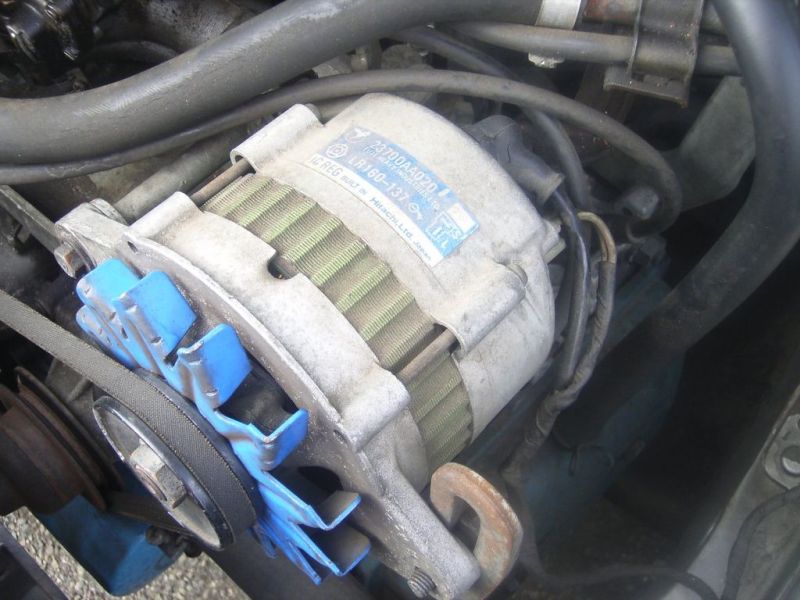
The Alternator: Usually driven by a belt, the device converts your engine’s mechanical energy into electrical energy to power your car’s starting system and creature comforts. It also happens to be the device pictured in that header up there. One sign of it failing is your headlights flickering while driving long distances, indicating the alternator isn’t charging the battery well while the car is running.
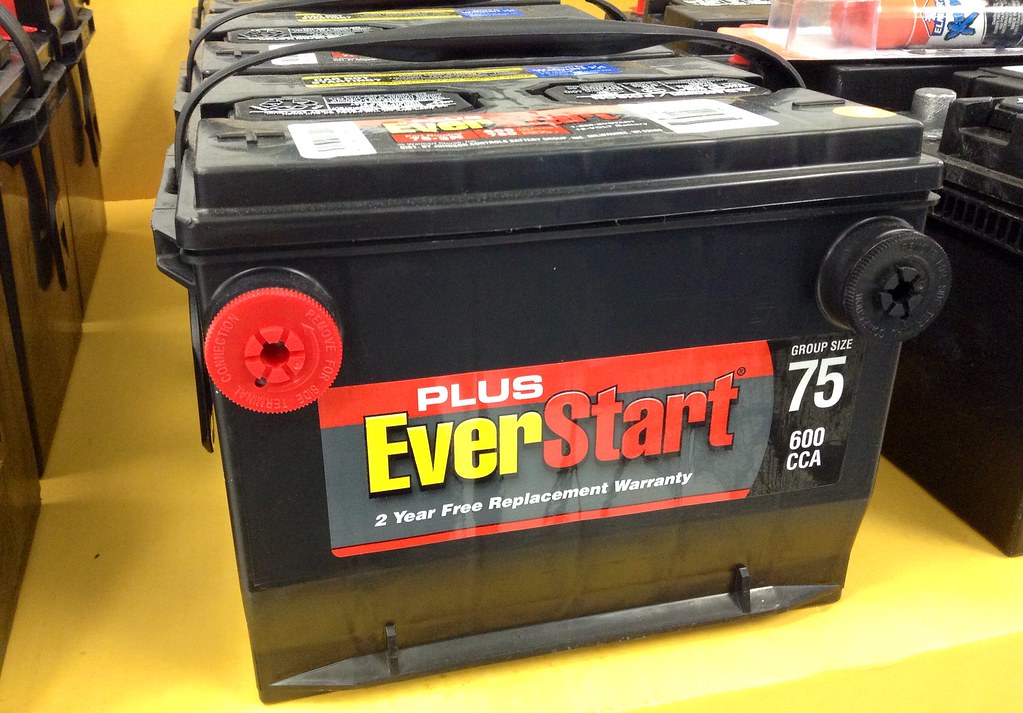
The Exact Model of Battery That Powers My Elco

The Battery: This device stores electrical energy when your car is off in order to start it back up again. It also allows features like the radio and lights to be operated without the engine guzzling gas. Is your battery is discharged, worn out, or sulfated, then the main symptom you’ll notice is your car’s new inability to start. When you want to start the car, the power locks may not work and you may hear loud clicking or silence when the car should be cranking over.

The Starter Motor: This lil guy typically meshes with the teeth of your flywheel to crank the vehicle’s engine over. He’s a hard worker, but his job is made a little easier by our friend, gear reduction. You’ll know he’s having a tough time doing his job when he lets our his grinding, soul-crushing noises when you turn the key.
What You Need To Do Your Own Oil Change

Oil is like your engine’s blood. It keeps everything lubricated and gliding smoothly. Eventually, it gets dirty, like that water bottle you always refill at the gym. If the oil isn’t changed often enough, then it does a worse and worse job of lubrication. Here is what you’ll need to change your own oil.

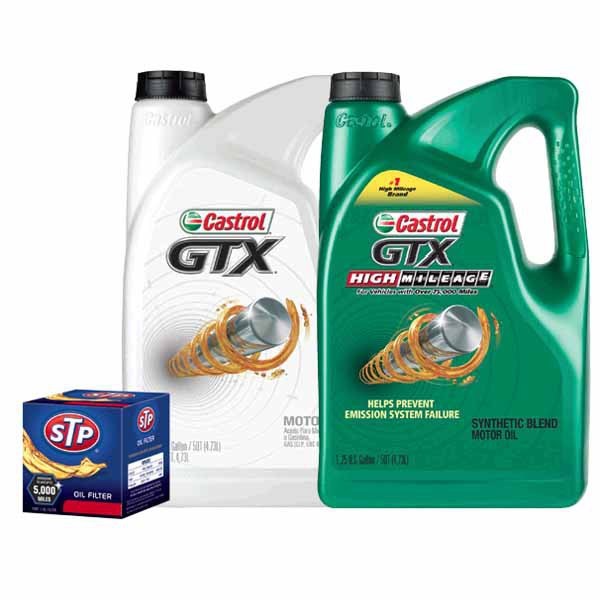
Oil (shown at top in big jugs): You will want new oil that is the correct viscosity for your engine. Additionally, the new oil should fulfill any required certifications that are in you owner’s manual. While you have the manual out, check how many quarts of oil your engine will hold, including a new filter. If you don’t know how much to buy, round up.

Oil Filter(shown at top in little box): You will want a new oil filter. This is a little trickier than buying the oil. If you buy one online, then you can filter by the vehicle and engine. Tools like this can be found at websites such as rockauto.com and autozone.com. If you go to your local parts store they can help you at the parts counter. The employees won’t bite, I promise. Just walk up, greet the worker, and say “I need an oil filter for a (insert your vehicle and engine combo here), please”.

An Oil Filter Wrench: This will help you remove the old oil filter. I recommend goibg iin person to a parts store and asking for one in a similar manner as above.

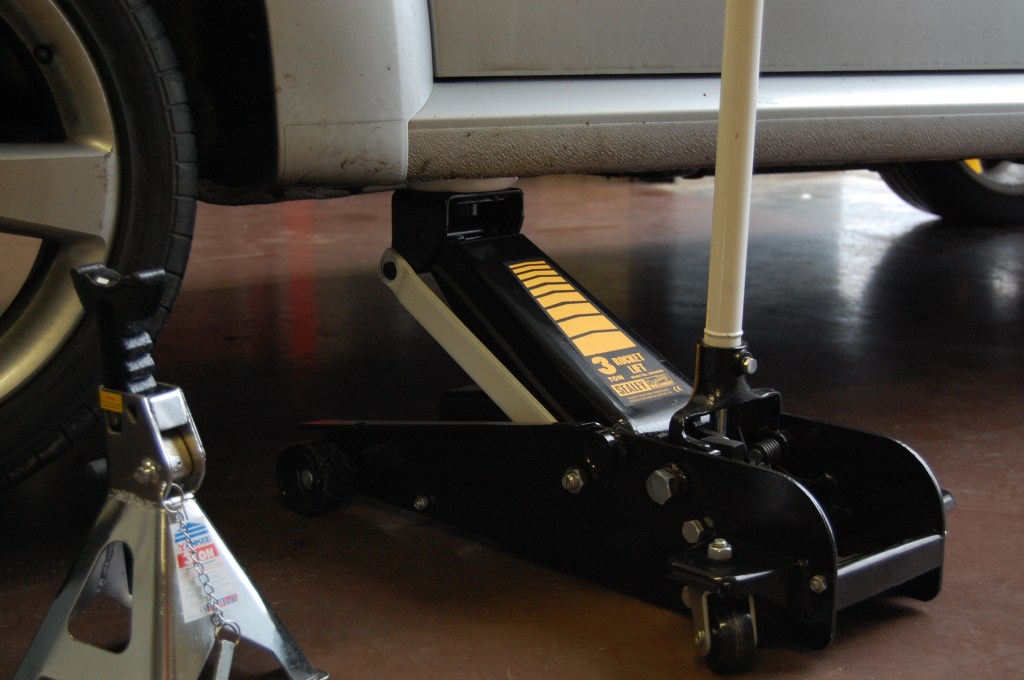
Jack and Jack Stands: Use these to lift and support the car while you work. Ramps are also an option. Like the above, purchase them at a parts store.

Ratchet and Sockets: Assuming all you will be doing is light auto maintenance, just walk into your nearest Harbor Freight Tools and purchase a small set.