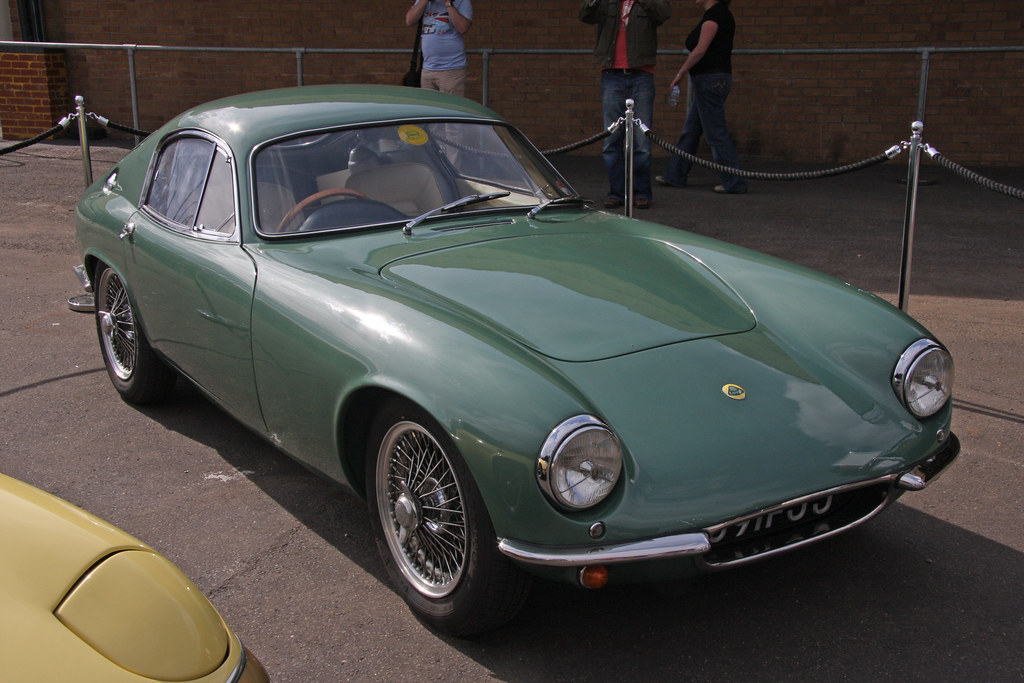
In 1952, Colin Chapman founded Lotus Cars in Hethel, England. Chapman was an aerospace engineer by day and a designer of sports cars by night. His mentality was that instead of focusing on adding power, which affects only acceleration and top speed, the automotive industry should remove weight, which improves almost all aspects of performance. This is shown in every one of his automobiles, beginning with the Lotus Elite. The Elite was incredibly light, with a fiberglass body and chassis (a steel subframe was present for the engine); it weighed a mere 1,110 pounds, proving just how dedicated Colin Chapman was to the idea that the lightest car almost always the quickest.
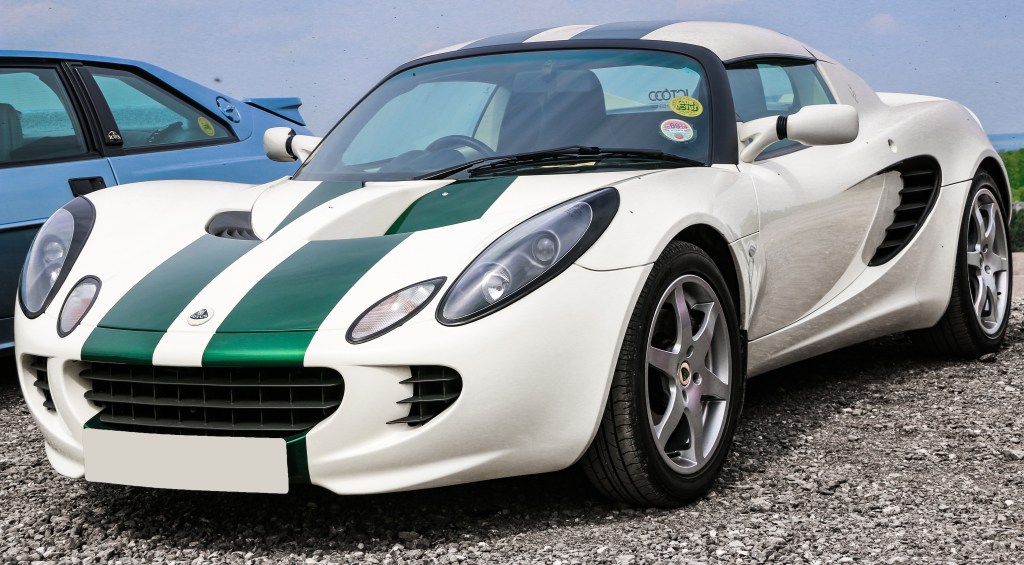
Cars, even the lightest among them, have become heavier over time. The Elise, pictured above, weighs almost 900 lbs more than its spiritual predecessor. Even though it weighs more than a ton, the Elise is still a lightweight car floating in a sea of lumbering, pudgy crossovers. Light cars, such as these two, perform marvelously and are more well-rounded than many others. For example, it will beat a muscle car at its own game. With a 0-60 times as low as 3.8 seconds, the Elise beats an EcoBoost 4-cyl Mustang’s (with performance package!) 0-60 time of 5.1 seconds. Light cars also do very well in turns. Some have said the Elise is so light that the suspension doesn’t even compress through a light turn, regardless of speed. Lotus has made and makes some of the lightest, fastest cars around.
 Cars: From Alfa Romeo to Zagato